
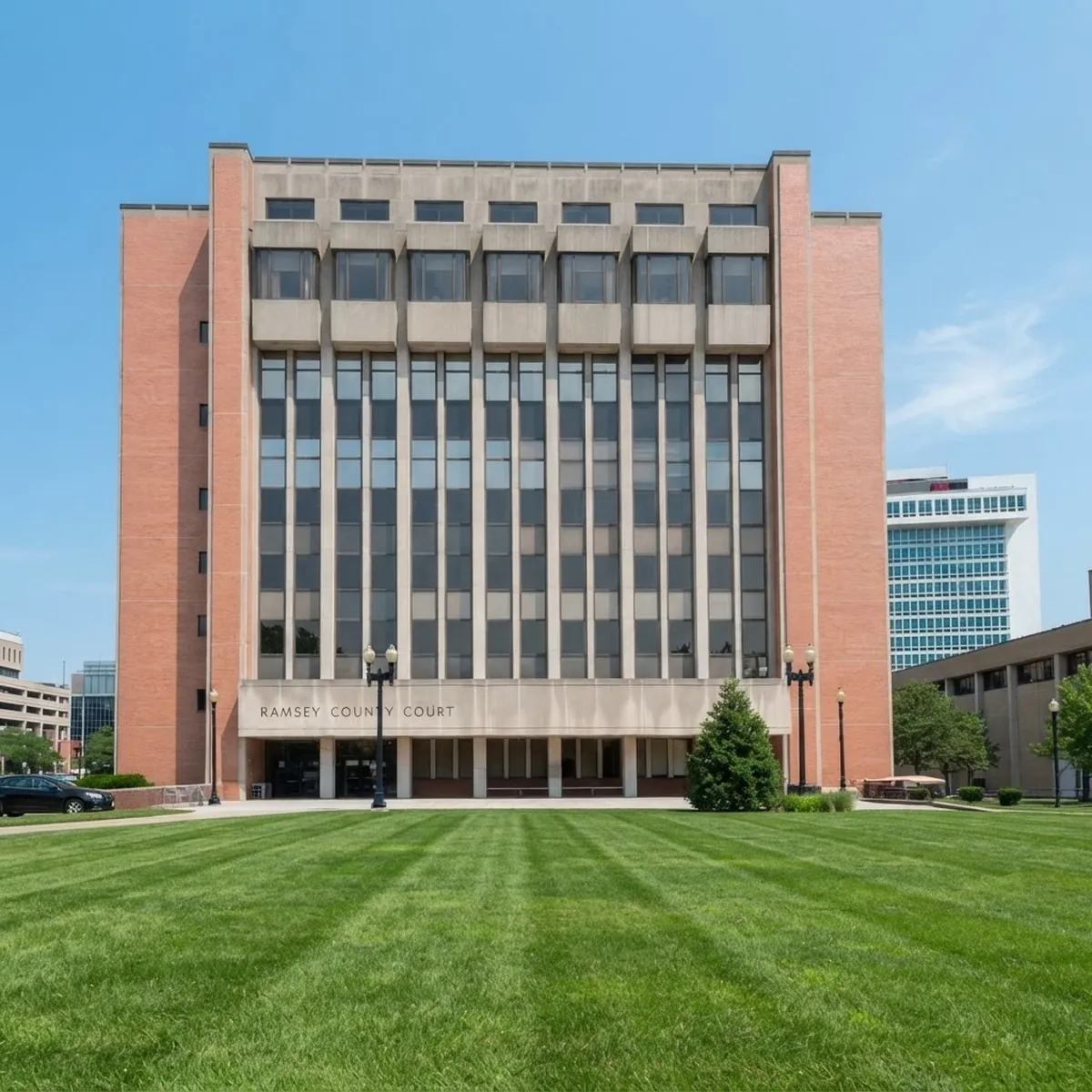
Court records in Fairfield County, Connecticut, are maintained by the clerks of the various courts that serve the county and can be accessed through online tools, official court portals, and clerk's offices. FairfieldCTCourt.us can help you find publicly available court record information for Fairfield County. Additional access points include the Connecticut Judicial Branch's online case lookup system, individual probate court offices, the Fairfield Town Clerk, and state-level government resources for criminal and vital records.
Fairfield Court System Overview
Connecticut's court system is unified and administered statewide by the Connecticut Judicial Branch, rather than organized by county-level courts. Fairfield County falls within the Fairfield Judicial District, with its primary Superior Court located in Bridgeport. The Superior Court is Connecticut's single trial-level court and handles all civil, criminal, family, and housing matters. Unlike many other states, Connecticut does not operate separate district or magistrate courts — the Superior Court serves all of these functions through specialized divisions and geographical areas (GA). Fairfield County is served by multiple GA courthouses, including GA 2 in Bridgeport, GA 1 in Stamford/Norwalk, and GA 20 in Danbury. Probate matters are handled by separate probate courts that operate independently from the Superior Court system.
Courts Serving Fairfield
Fairfield County residents may interact with several courts depending on the type of case:
Connecticut Superior Court – Fairfield Judicial District (Bridgeport)
Superior Court – Geographical Area 2 (Bridgeport)
Superior Court – Geographical Area 1 (Stamford/Norwalk)
Superior Court – Geographical Area 20 (Danbury)
Fairfield Probate Court
U.S. District Court – District of Connecticut (Bridgeport Division)
U.S. Bankruptcy Court – District of Connecticut
Several additional probate courts serve other towns within Fairfield County, including the Northern Fairfield County Probate Court, Bridgeport Probate Court, Trumbull Probate Court, and Stratford Probate Court.
What Types of Cases Fairfield Courts Hear
The Superior Court divisions and probate courts serving Fairfield County handle a wide range of case types:
- Felony and misdemeanor criminal cases
- Motor vehicle and traffic infractions
- Civil litigation (all dollar amounts)
- Small claims (up to $5,000)
- Family law — divorce, custody, child support, paternity, protective orders
- Juvenile delinquency and child protection matters
- Housing and landlord-tenant disputes
- Probate — decedent estates, guardianships, conservatorships, trusts, adoptions
Criminal cases in Fairfield County are prosecuted by the Fairfield State's Attorney.
District Court Cases in Fairfield
In Connecticut, the Superior Court's Judicial District courthouse in Bridgeport handles the most serious matters arising in Fairfield County. This includes felony criminal cases that have been transferred from the Geographical Area courts after arraignment, major civil litigation without a dollar cap, complex family matters, and appeals from probate court decisions. Cases are assigned to Superior Court judges by the presiding judge of the Judicial District. Post-conviction proceedings, including sentence modifications and habeas corpus petitions, are also heard at the Judicial District level. Civil jury trials for cases originating throughout Fairfield County are typically held at the Bridgeport courthouse.
Magistrate Court Cases in Fairfield
Connecticut does not use a separate magistrate court system. Instead, the Geographical Area (GA) courts function as the entry point for most criminal arraignments, misdemeanors, motor vehicle violations, and less complex civil matters. GA 2 in Bridgeport, GA 1 in Stamford, and GA 20 in Danbury serve Fairfield County residents. These courts handle:
- Misdemeanors and infractions
- Criminal arraignments (including felony arraignments before transfer)
- Small claims cases up to $5,000
- Civil matters up to $5,000 in the small claims session
- Motor vehicle and traffic violations
- DUI arraignments and hearings
More serious criminal cases and civil disputes exceeding the small claims threshold proceed to the Judicial District courthouse. Housing session courts handle landlord-tenant disputes separately.
Family Law, Probate, and Juvenile Matters in Fairfield
Family Law
Divorce (dissolution of marriage), custody, child support, visitation, civil protection orders, paternity, and termination of parental rights are handled by the Superior Court's Family Division at the Fairfield Judicial District courthouse in Bridgeport. The Connecticut Vital Records Office does not maintain divorce decrees — those must be obtained from the court clerk where the dissolution was granted.
Probate
Probate matters — including decedent estates, guardianships, conservatorships, trust administration, and name changes — are handled by the Connecticut Probate Courts. The Town of Fairfield is served by the Fairfield Probate Court. Other Fairfield County towns are served by their respective probate districts. Probate case records can be searched through the Probate Court case lookup tool, though records prior to 2011 may be incomplete.
Juvenile
Juvenile delinquency proceedings and child protection (neglect and abuse) cases are heard in the Superior Court's Juvenile Division. Juvenile court records are confidential under Connecticut law and are not available through public case lookup systems. Contact the juvenile clerk's office at the Bridgeport courthouse for procedural questions.
How Cases Move Through the Fairfield Court System
- Filing / Initiation: Criminal cases begin with an arrest or arrest warrant. Civil cases begin when a plaintiff files a complaint and has it served. Family cases start with a petition or complaint for dissolution. Probate matters begin with an application to the probate court.
- Arraignment or Return Date: Criminal defendants are arraigned at the GA court. Civil and family cases have a return date when the case enters the court's docket.
- Case Assignment: Cases are assigned to a judge. Felonies and complex civil cases transfer from the GA court to the Judicial District courthouse.
- Pre-Trial Phase: Includes discovery, motions, plea negotiations (criminal), and case management conferences (civil and family).
- Trial or Resolution: Cases resolve through plea agreement, bench or jury trial, settlement, or default judgment.
- Post-Judgment: Sentencing in criminal cases, enforcement of judgments in civil cases, and appeals to the Connecticut Appellate Court or Supreme Court.
Court Administration, Local Rules, and Public Access in Fairfield
The Connecticut Judicial Branch administers all Superior Courts statewide. Each Judicial District has a presiding judge who manages case flow and judicial assignments. The Chief Court Administrator sets statewide policies, and local practice books govern court procedures.
- Local Rules: Connecticut courts follow the Connecticut Practice Book, which contains rules of procedure for all case types. The Practice Book is available on the Connecticut Judicial Branch website.
- Public Access: Most court records in Connecticut are public under the Connecticut Freedom of Information Act and Judicial Branch access rules. Sealed records, juvenile cases, family relations files, and certain mental health records are restricted. The Town of Fairfield also processes FOIA requests for town-level public documents.
- Attending Hearings: Court proceedings are generally open to the public. Some hearings may be conducted remotely; check with the clerk's office for specific scheduling and remote-access procedures.
- Trial Court Administrator: Contact the Fairfield Judicial District clerk's office at (203) 579-6527 for administrative questions.
Court Records and Related Court Resources in Fairfield
- Court Case Lookup: The Connecticut Judicial Branch offers an online case lookup system for civil, criminal, family, and housing cases at jud2.ct.gov.
- Probate Case Search: Search probate cases across Fairfield County districts using the Connecticut Probate Courts case lookup.
- Criminal Records: Criminal record information is maintained by the Connecticut State Police and the Judicial Branch. Background check requests go through the State Police Bureau of Identification.
- Arrest Warrant Data: Outstanding arrest warrant information for violation of probation is searchable through the state's Criminal Justice Information System.
- Inmate Search: The Connecticut Department of Correction inmate search allows you to look up individuals currently incarcerated in state facilities, including Bridgeport Correctional Center.
- Vital Records: Birth certificates, marriage licenses, and death records are available through the Connecticut Office of Vital Records. The Fairfield Town Clerk also issues certified copies of vital records for events that occurred in Fairfield.
- Land Records: Connecticut does not have county-level recording. All land records are filed with the town clerk where the property is located. Fairfield's land records are maintained by the Fairfield Town Clerk's office.
- Law Enforcement Directory: A list of Fairfield County police departments and resident state troopers is available through CT.gov.
- Connecticut State Police: The Department of Emergency Services and Public Protection provides access to crime reports, fingerprint services, and the sex offender registry.
- Court Forms and Self-Help: Court forms for all case types are available on the Connecticut Judicial Branch website. Self-represented litigants can access the Judicial Branch's self-help section for guides on filing, responding to lawsuits, and navigating family court.